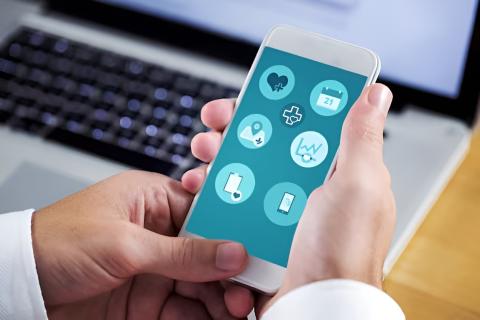
Smartphones and networked technologies, together with healthcare app development, have transformed patient-provider communication. This change has increased the need for health care applications that connect patients and doctors.
Mobile healthcare portals are an important innovation in the development of this change. These platforms enable patients to book appointments, view medical records, and even speak face-to-face with doctors on their phones. As doctors expand their digital services, they are also providing more and improved options for care. Numerous healthcare organizations are also developing telehealth portal systems to meet their need for online consultation services.
Today, for patients, the benefits of mobile healthcare portals are more than ordinary convenience. These channels reduce waiting periods, facilitate communication, and make healthcare accessible to all. As healthcare systems continue to evolve, digital channels have become indispensable tools for enhancing patient engagement and the overall healthcare experience.
How Mobile Healthcare Portal Platforms Improve Patient Access
Patients can interact with healthcare providers much faster than in the past because of mobile healthcare portals. They no longer need to travel to the hospital for each appointment. Mobile phones enable access to healthcare services like consultations and updating health info.
Telehealth portals help patients schedule appointments, access medication info, and receive follow-up care without unnecessary visits or travel. Homebound patients might prefer mobile health portals over traveling to healthcare facility providers.
With integrated platform systems, modern healthcare apps enable providers to schedule, communicate, and manage patient information. Many healthcare providers are beginning to implement mobile healthcare portals for their patients. The more efficient and organized health care delivery becomes, the better.
Key Benefits of Mobile Healthcare Portals for Patients
The benefits of mobile healthcare portals for patients are becoming more visible as hospitals and clinics adopt digital healthcare systems. These platforms simplify everyday healthcare management.
Simple Management
A mobile healthcare portal helps patients manage routine healthcare tasks easily. They can check reports, track prescriptions, and schedule doctor visits. This gives patients more control over their healthcare journey.
Secure Communication
Many portals include secure messaging features within the telehealth portal. Patients can ask questions or request guidance from doctors online. This reduces the need for immediate in-person appointments.
Smart Reminders
Modern healthcare app development also includes automated reminders. Patients receive notifications for medications, follow-up visits, and health checkups. These reminders help people stay consistent with their treatment plans.
Telehealth Portal Services Expanding Digital Healthcare
There has been a significant shift in the way healthcare services are dispensed with the growth of the telehealth portal. Now doctors and patients can see each other without necessarily visiting in person, thanks to virtual consultations.
These services use advanced technology for video consultations, secure patient communication, and digital medical record formats. Having a mobile healthcare portal brings these services in one place and is easily accessible to everyone.
For example, in India during the time of the COVID-19 pandemic, Practo scaled up its telehealth portal services. Patients could see doctors online, even get prescriptions without visiting a hospital, and access healthcare instructions from home. This showed the benefits of mobile healthcare portals, especially when hospital access was limited.
Why Healthcare App Development Is Driving Digital Patient Care
Healthcare technology is evolving quickly, and digital platforms are becoming an important part of patient care. Modern healthcare app development helps hospitals provide faster and more organized services.
Faster Services
Healthcare providers are investing more in healthcare app development to improve patient services. Digital tools reduce delays in communication and appointment booking. Patients receive support more quickly.
Better Connectivity
A well-designed mobile healthcare portal allows patients to access their treatment history and communicate with doctors easily. When connected with a telehealth portal, it creates a complete digital healthcare system. This improves coordination between patients and providers.
Future Growth
Digital healthcare platforms will continue expanding in the coming years. The benefits of mobile healthcare portals for patients will grow as technology improves. These platforms will make healthcare more accessible, organized, and patient-friendly.
Summary
The use of digital healthcare platforms is changing how patients interact with medical services. A mobile healthcare portal simplifies access by managing appointments, analyzing medical records, and enabling direct communication with physicians from mobile devices.
With advancements in telehealth solutions and mHealth application development, physician practices can provide faster and more flexible medical care through patient access to physicians, improved communication, and greater autonomy over personal health management via the use of mHealth portals.
As the digital healthcare industry continues to grow, mobile health portals will be significant in increasing patient accessibility to care. They will modernize the delivery of care. Additionally, they will enhance future patient access to care.
Ready to build smarter healthcare experiences? Start creating your mobile healthcare portal today.
For More Information : How Telecom Companies Monetize Digital Content in 2026